Positioning
How this service is framed
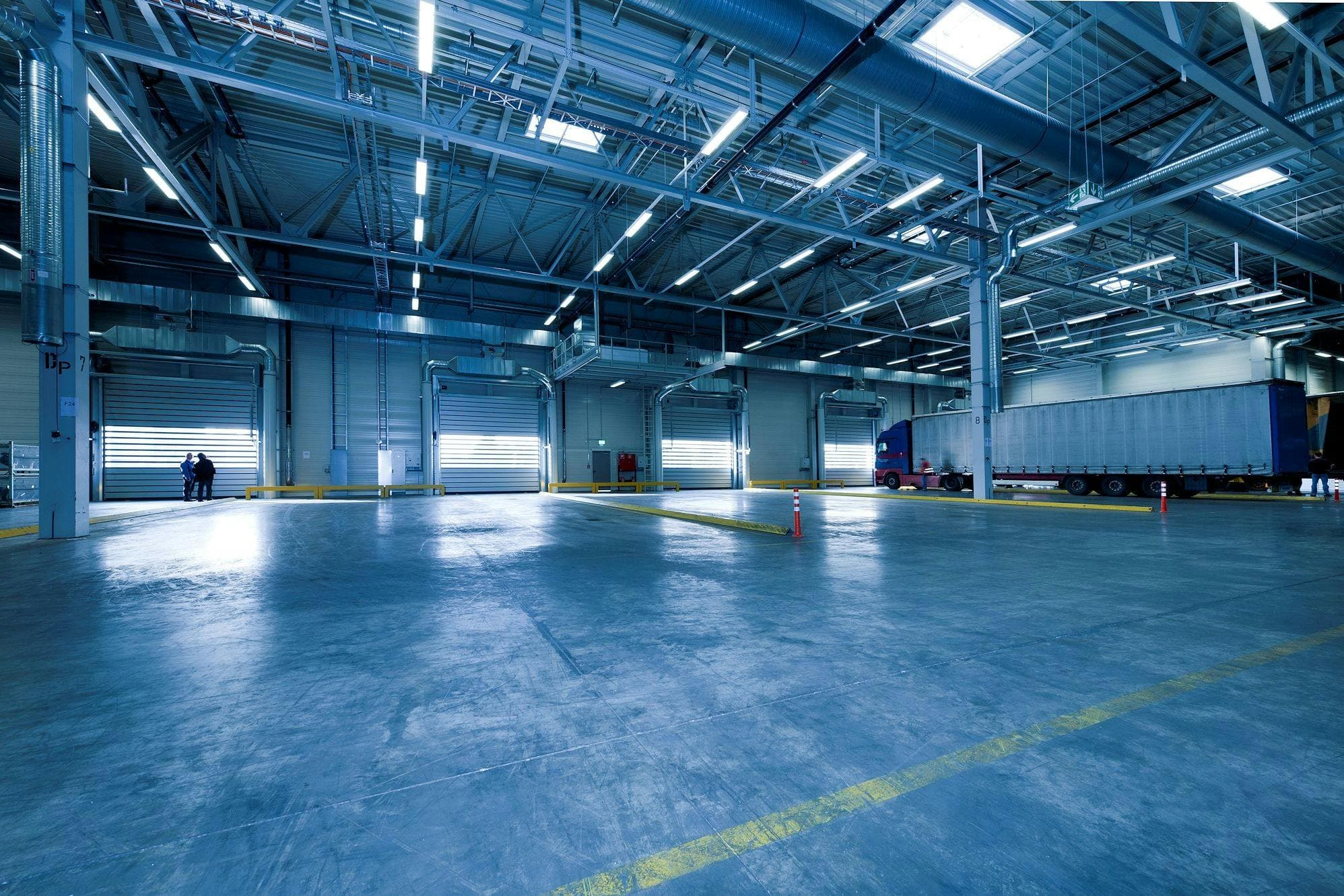
The warehousing model connects inbound freight recovery, storage control, and outbound distribution inside one synchronized operating flow.
Logistics brand by Fast Track Express
Service
Position inventory closer to freight gateways and route it into domestic fulfillment with cleaner storage logic, better visibility, and scalable throughput.
Positioning
The warehousing model connects inbound freight recovery, storage control, and outbound distribution inside one synchronized operating flow.
Differentiator
Inventory control and outbound execution stay connected through one data model, making it easier to reallocate stock and respond to regional demand shifts.
Capabilities
Domestic and bonded-ready storage paths to support duty-deferral strategies.
SKU-level handling and system-directed putaway for more organized inventory flow.
Cross-docking and transloading to reduce unnecessary dwell time.
WMS-driven inventory visibility tied to order and fulfillment status.
B2B and B2C outbound preparation aligned to routing guide requirements.
Elastic labor and capacity support for seasonality and volume spikes.
Workflow
Step 1
Advance shipment data and dock intake are aligned before inventory enters the building.
Step 2
Inventory is routed to the right storage zone based on movement profile and handling needs.
Step 3
Orders move through structured pick paths, packing standards, and required labeling steps.
Step 4
Carrier staging and load release are synchronized with downstream delivery or parcel injection.
Operational Detail
Inventory placement should support both speed-to-market and transportation efficiency.
Warehouse operations perform better when inventory data stays close to commercial systems.
The facility model needs to absorb spikes without creating avoidable backlog.
Best Fit
Commercial Summary
Best suited for operators that need inventory control, duty-deferral flexibility, and cleaner coordination between inbound freight and outbound fulfillment.

Conversion Path
Use the quote path to route a warehousing & distribution request into the right operating conversation.