Positioning
How this service is framed
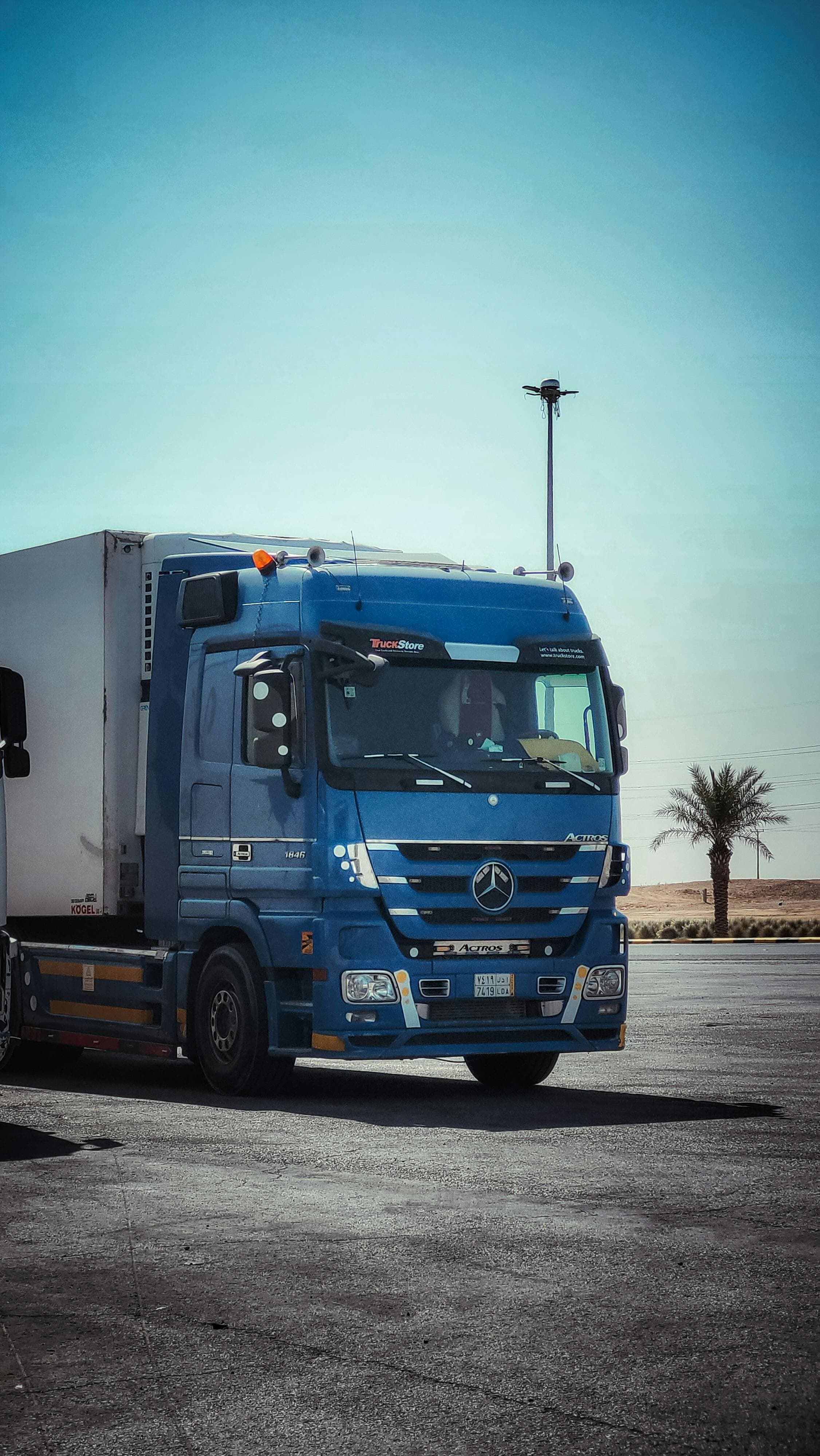
Ground transportation connects port recovery, regional transfer, and final delivery inside one managed domestic lane strategy.
Logistics brand by Fast Track Express
Service
Coordinate drayage, linehaul, and final delivery through a domestic transportation network built for visibility, capacity resilience, and cleaner execution.
Positioning
Ground transportation connects port recovery, regional transfer, and final delivery inside one managed domestic lane strategy.
Differentiator
The key advantage is dynamic load balancing across vetted carrier capacity, which keeps domestic freight moving when static routing guides start to fail.
Capabilities
LTL and FTL planning based on shipment urgency, density, and cost profile.
Port drayage and local transfer to move freight out of gateways faster.
Nationwide linehaul planning across regional and long-haul lanes.
Specialized equipment support for reefer, flatbed, and other cargo needs.
Carrier compliance controls with tracking expectations built into dispatch.
Real-time transportation visibility through TMS-style milestone tracking.
Workflow
Step 1
Freight is recovered from ports or vendors and moved into the right domestic lane.
Step 2
Regional cross-docking and load building improve trailer use and linehaul efficiency.
Step 3
Loads move through optimized highway corridors with milestone updates along the way.
Step 4
Destination deconsolidation and appointment scheduling keep the last handoff controlled.
Operational Detail
Domestic freight performs better when routing can flex with market conditions.
Execution quality depends on the consistency of the carrier network.
A clearer operating view helps teams respond before delivery issues spread downstream.
Best Fit
Commercial Summary
Ideal for operators that need domestic routing discipline, reliable carrier management, and tighter handoff between gateway recovery and inland transit.

Conversion Path
Use the quote path to route a ground transportation request into the right operating conversation.